
Key Takeaways:
- A mid-year financial review helps keep your investment goals on track.
- Small financial adjustments today can strengthen long-term investment success.
- Regular portfolio reviews help manage risk and uncover new opportunities.
- Reviewing your budget and investments builds long-term financial resilience.
- Staying invested and reviewing regularly supports long-term financial growth.
- A financial wellness check helps you adapt to changing markets with confidence.
Mid-Year Financial Wellness Check: Is Your Investment Portfolio Still on Track?
With everything we’ve been dealing with since the start of the year, from economic uncertainty to geopolitical conflicts, it’s hard to believe summer is here already. As summer kicks into high gear, now is the perfect time to do a financial wellness check. Just as our annual check-ins with our doctors and dentists keep our health on track, a midyear financial review acts like sunscreen. It keeps pain away. The purpose is to take a deep breath, assess and reflect on progress toward your financial goals, and adjust your strategy if your investment portfolio is not on track.
If your investing plan doesn’t feel as steady as it did back in January, you’re not alone. You may be thinking your New Year’s resolutions were a tad too optimistic. 2026 has brought its share of ups and downs, from tariffs and speculation on interest rates to geopolitical tensions resulting in higher oil prices.
One of the key reminders we share with clients is that, despite the noise and volatility, investing isn’t about timing the market. It’s about time in the market. Market fluctuations are a normal part of investing. History has shown that while short-term volatility can be unsettling, disciplined long-term investors are rewarded over time.
Read more on Riding The Waves of Market Volatility.
How to Complete Your Mid-Year Financial Checkup
A mid-year financial wellness check helps you identify where you’re on track and where small adjustments can make a meaningful difference. Here are three important areas to review.
Review Your Spending and BudgetFirstly, see if you are still on track with your spending. Rising costs of goods and services, busy schedules, and small spontaneous spending decisions can add up fast. During times of uncertainty, it becomes harder for your budget to stay on track. Take the time to see where your money is going, and if it doesn’t add up, now is the time to regroup and be intentional with your spending so your money goes where you want and need it to. |
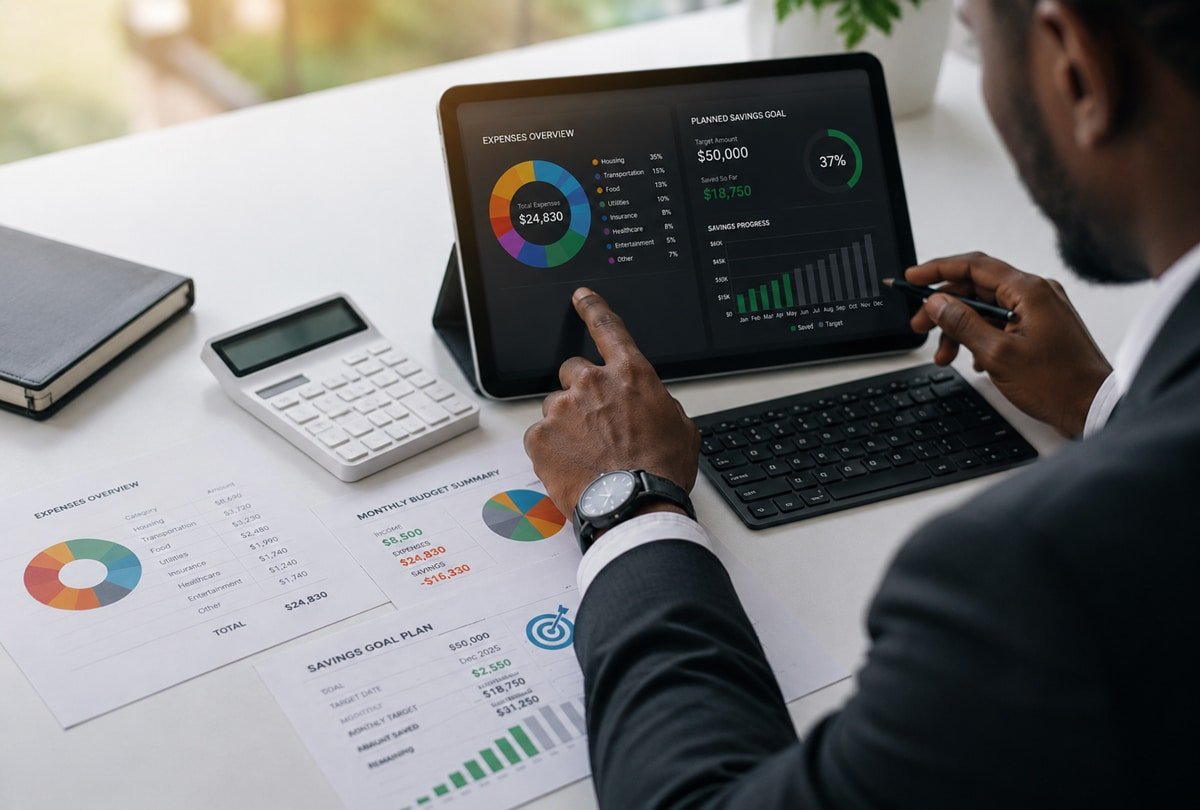
Strengthen Your Emergency FundNext, tackle your emergency fund. Is it still intact? Have you maintained the balance, or have you taken a little bit here and there? If it’s the latter, look at ways you can top it up. Can you cancel a subscription you aren’t using? Are you overspending in another area where those funds could be put to better use? Now is also the time to ensure that your emergency fund is working for you. It should be in liquid instruments that offer principal protection while also earning some interest. Ensure your emergency funds are not invested in instruments that you cannot easily access. |

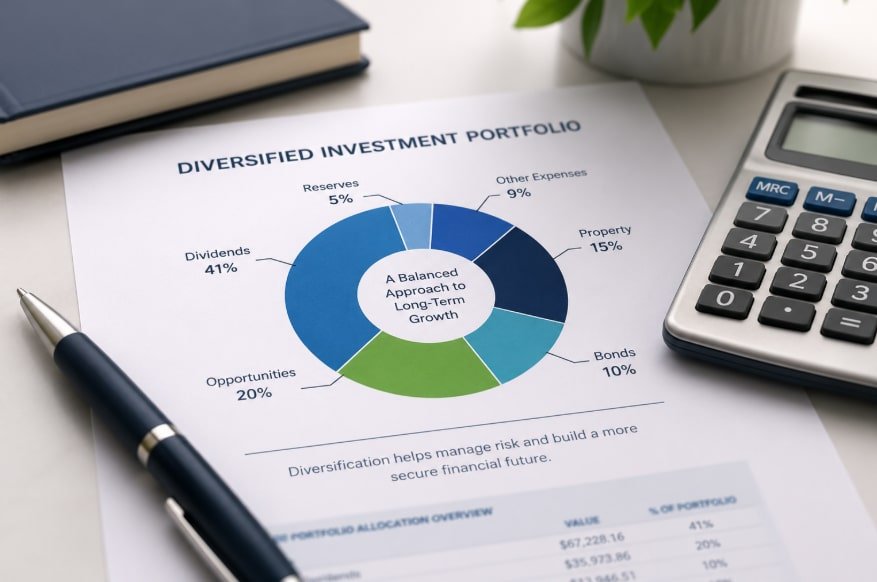
Review Your Investment Portfolio and Asset AllocationMidyear is also a good time to review your portfolio. Is your asset allocation still aligned with your investment goals? Are your holdings performing as expected? Make sure your portfolio is not too heavily concentrated in any one security and consider whether you are still comfortable with its level of risk. You may need to make a few adjustments to rebalance and keep your portfolio aligned with your goals. A review can also help you spot opportunities to act on now while positioning yourself for future ones. |
Stay on Track with Your Financial Goals
A midyear financial wellness check is an ideal way to identify issues, rebalance, and uncover opportunities for the rest of the year. If you have veered off course, do not worry. There is still time to adjust and continue progressing toward your financial goals. With the help of a licensed financial advisor, you can ensure you are on your way to a successful second half of the year.
Whether you need to rebalance your portfolio, strengthen your investment strategy or plan for the months ahead, Sterling’s experienced financial advisors are here to help. Book a consultation today and take the next step toward achieving your long-term financial goals.
From the Sterling Team
Christine Rankine is Assistant Vice President – Personal Financial Planning at Sterling Asset Management.
Sterling provides financial advice and instruments in U.S. dollars and other hard currencies to the corporate, individual, and institutional investor.
Visit our website at https://sterling.com.jm/
Speak with a Sterling Advisor
Feedback: If you wish to have Sterling address your investment questions in upcoming articles, e-mail us at: info@sterlingasset.net.jm
FAQs
Why is a mid-year financial review important?
A mid-year financial review allows you to measure your progress, respond to changes in the economy or your personal circumstances, and make adjustments before the end of the year. Regular reviews can help keep your financial plan aligned with your long-term objectives.
How often should I review my investment portfolio?
Most investors should review their investment portfolio at least once or twice a year, or after significant life or market events. Regular reviews help ensure your asset allocation, risk level, and investment strategy remain aligned with your financial goals.
How much should I keep in my emergency fund?
The amount varies depending on your circumstances, but many financial advisors recommend saving between three and six months’ worth of essential living expenses in a readily accessible account or liquid investment.
When should I rebalance my investment portfolio?
You may want to rebalance your portfolio if your asset allocation has shifted significantly due to market movements or changes in your financial goals or risk tolerance. Rebalancing helps maintain a diversified portfolio that reflects your investment strategy.