
Key Takeaways
- Temporary oil shocks can create long-term opportunities for disciplined fixed-income investors.
- Higher bond yields may improve future returns despite short-term market volatility.
- High-quality bonds can help protect portfolios during periods of inflation and uncertainty.
- Monitoring inflation expectations is essential for anticipating future interest rate changes.
- Rising oil prices may delay rate cuts, but they do not necessarily signal lasting inflation.
- Market volatility can provide attractive entry points for long-term bond investors.
Oil Prices, Inflation and Fixed Income: What Investors Need to Know
The escalation of the conflict in the Middle East has triggered a meaningful oil shock, introducing renewed uncertainty into the global inflation outlook and complicating the path for central bank policy. For fixed-income investors, the key question is whether higher energy prices represent a temporary disruption or the start of a more sustained inflation challenge that could reshape interest-rate expectations over the coming year.
Historically, oil shocks have transmitted quickly into headline inflation. Higher energy costs effectively act as a tax on consumers, reducing purchasing power while simultaneously raising production and transportation expenses across economies. If sustained, this dynamic can delay central bank easing cycles and place upward pressure on global bond yields.
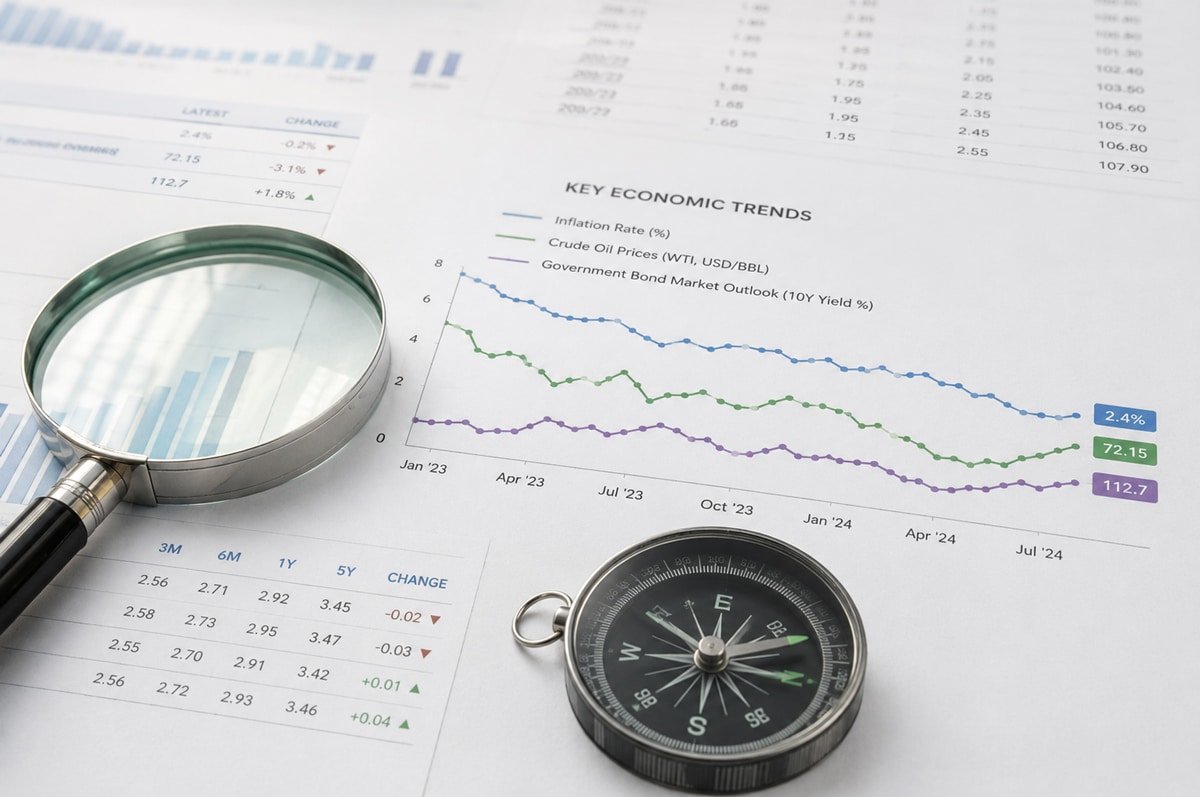
Recent developments suggest markets are already adjusting to this possibility. As oil prices surged amid disruptions to energy flows through key shipping routes such as the Strait of Hormuz, expectations for rate cuts were scaled back sharply. In some cases, investors even began pricing the possibility of renewed policy tightening. This repricing contributed to the recent rise in U.S. Treasury yields and increased volatility across global fixed-income markets.

What Higher Oil Prices Mean for Bond Markets
For bond investors, the implications are immediate. Rising yields translate into lower bond prices, particularly for longer-duration securities that are more sensitive to shifts in inflation expectations and the policy outlook. As a result, portfolio positioning becomes especially important during periods of geopolitical-driven market repricing.
Despite the magnitude of the current oil shock, however, today’s macroeconomic backdrop differs significantly from earlier energy crises. Energy represents a smaller share of household spending than in previous decades, the global economy has become less oil-intensive, and the United States has been a net energy exporter since 2019. These structural changes suggest that while inflation may rise in the near term, the longer-term trajectory is likely to remain more manageable than during past episodes of energy-driven stagflation.
This distinction matters for fixed-income investors because it supports the view that the recent rise in yields may prove cyclical rather than structural. In other words, while the path toward policy easing may be delayed, it is unlikely to be permanently derailed unless energy prices remain elevated for a prolonged period.
Central Banks and the Inflation Outlook
For now, policymakers appear willing to look through what may be a temporary energy-driven increase in inflation. However, inflation expectations remain the key variable to watch. Should longer-term expectations begin to rise meaningfully, central banks may be forced to maintain tighter policy for longer than currently anticipated. Conversely, if oil prices stabilize or retreat in the months ahead, inflation pressures could ease, allowing rate cuts to resume later in the year. In that scenario, bonds would become even more appealing.
Investment Opportunities During Market Volatility
Importantly, periods of uncertainty often create attractive opportunities for long-term fixed-income investors. Higher yields improve forward return potential and provide a stronger income cushion against market volatility. For investors with medium- to long-term horizons, current conditions may therefore present an opportunity to gradually increase exposure.
Several strategies are particularly relevant in the current environment.
Lock in Elevated YieldsLocking in still-elevated yields remains compelling relative to the low-rate conditions that prevailed over much of the past decade. |
Focus on High-Quality BondsMaintaining exposure to high-quality sovereign and investment-grade corporate bonds can help preserve portfolio stability during periods of uncertainty. |
Take Advantage of Credit Market DislocationsGeopolitical shocks often create temporary dislocations across credit markets, allowing active investors to selectively add exposure where spreads widen beyond what fundamentals justify. |
Read the post on How to Stay Disciplined in a Volatile Market When Headlines Predict Doom.
The Long-Term Outlook for Fixed Income Investors
While the conflict is likely to remain growth-negative and inflation-positive in the near term, underlying economic conditions remain relatively resilient. Household balance sheets are stronger than in previous cycles, unemployment in major economies remains low by historical standards, and productivity gains linked to ongoing technological innovation continue to support longer-term growth prospects.
Ultimately, the duration of the current energy shock will determine the scale of its impact on fixed-income markets. In the baseline scenario of a temporary rise in oil prices, the Federal Reserve is likely to remain cautious in the near term but could still deliver modest policy easing later this year.
Notably, periods like these are rarely comfortable for investors, but they often create opportunities. Elevated volatility can allow disciplined bond investors to rebalance portfolios, strengthen diversification, and add high-quality assets at more attractive yields, positioning portfolios for improved long-term returns.

Position Your Portfolio for a Changing Market
Periods of market uncertainty can create valuable opportunities for disciplined investors. Whether you’re looking to preserve capital, generate reliable income, or strengthen your fixed-income allocation, having the right strategy is essential.
Speak with our investment specialists to discuss how global bonds and diversified fixed-income solutions can help you navigate today’s changing market conditions.
From the Sterling Team
Eugene Stanley is vice president, fixed income & foreign exchange, at Sterling Asset Management.
Sterling provides financial advice and instruments in U.S. dollars and other hard currencies to the corporate, individual, and institutional investor.
Visit our website at https://sterling.com.jm/
Speak with a Sterling Advisor
Feedback: If you wish to have Sterling address your investment questions in upcoming articles, e-mail us at: info@sterlingasset.net.jm
FAQs
How do oil prices affect bond markets?
Higher oil prices can increase inflation, leading investors to expect higher interest rates or delayed rate cuts. This typically pushes bond yields higher, causing existing bond prices to fall, particularly for longer-duration bonds.
Why are rising bond yields considered an opportunity?
When bond yields rise, newly issued bonds offer higher income potential. For long-term investors, this can create attractive opportunities to lock in stronger yields and improve future portfolio returns.
Are fixed-income investments still attractive during periods of inflation?
Yes. While inflation can create short-term volatility, today’s higher yields provide a greater income cushion than in recent years. High-quality government and investment-grade corporate bonds can continue to play an important role in diversified portfolios.
Should investors be concerned about another period of stagflation?
While higher energy prices may temporarily increase inflation, today’s economy differs significantly from previous oil crises. Lower energy dependence, stronger household balance sheets, and improved productivity reduce the likelihood of prolonged stagflation, although inflation expectations remain an important indicator to monitor.
What types of bonds may perform well during uncertain markets?
High-quality sovereign bonds and investment-grade corporate bonds are often favoured during periods of uncertainty because they can provide portfolio stability, reliable income, and diversification while reducing overall investment risk.